


Getting rid of unwanted belongings can make your home cleaner, safer, and easier to manage. However, deciding what to keep can be difficult. Before scheduling Junk Removal Morgan Hill, take time to review everything you plan to discard. Some items may have financial, practical, sentimental, or legal value that is easy to overlook.
A rushed cleanup can result in important documents, family keepsakes, useful tools, or valuable belongings being thrown away by mistake. A simple sorting process can help you decide what deserves to stay and what is truly ready to go. The goal is not to remove everything, but to keep the items that matter while responsibly clearing away unnecessary clutter.
Check Important Documents First
Important paperwork should always be reviewed before removing household clutter. Documents can become mixed together in filing cabinets, boxes, drawers, and storage areas, making it easy to accidentally throw away something you may need later.
Look for passports, birth certificates, property records, tax documents, insurance paperwork, vehicle titles, legal agreements, financial records, and warranties. If you are unsure whether a document is still important, research how long it should be retained before discarding it.
Documents containing personal information also require special attention. Bank statements, identification copies, and other sensitive records should be securely shredded when they are no longer needed.
Creating a dedicated filing system for essential paperwork can make future cleanouts easier. Once important records have been separated, you can continue sorting the rest of your belongings with greater confidence.
Preserve Meaningful Sentimental Items
Some possessions are worth keeping because of their emotional significance rather than their financial value. Family photographs, handwritten letters, childhood artwork, heirlooms, and souvenirs may hold memories that cannot be replaced.
Before throwing away old boxes, take a few minutes to examine their contents. You may discover keepsakes that you had forgotten about but would regret losing.
You do not need to keep every sentimental item. If space is limited, select the belongings with the greatest personal meaning. Photos and documents can also be scanned and saved digitally when you want to preserve the memory without storing large quantities of physical material.
Ask family members whether they want particular heirlooms before removing them. Something that no longer matters to you could have significant meaning for another relative.
Identify Items You Can Sell or Donate
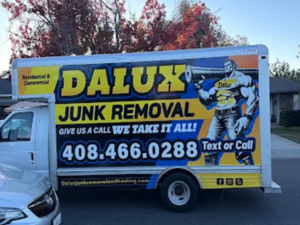
Before arranging Junk Removal Morgan Hill, look for items that still have value. Furniture, appliances, electronics, tools, sporting equipment, collectibles, clothing, and household goods may be useful to someone else.
Inspect each item and consider its condition. Clean, functional belongings may be suitable for selling or donating. For expensive or unusual items, research their approximate resale value before deciding to remove them.
Donation can be a practical alternative when selling is not worth the time. Charities and community organizations may accept usable furniture, clothing, household goods, and other items, although acceptance policies vary.
Separating valuable and usable possessions from genuine junk helps reduce unnecessary waste. It also gives useful belongings a second life instead of sending them directly toward disposal.
Consider Items You May Need Later
Decluttering can sometimes go too far. An item that has not been used recently may still be useful in the future, especially if it is expensive or difficult to replace.
Seasonal belongings such as camping equipment, holiday decorations, gardening tools, winter clothing, and occasional-use appliances may not be needed every day. However, that does not mean they should automatically be discarded.
Spare parts and accessories deserve attention too. Appliance components, furniture hardware, specialized tools, and charging cables can be surprisingly difficult to replace.
A simple question can help: If I threw this away today, would I eventually need to buy another one? If the answer is yes, consider keeping it.
Protect Personal Data on Electronics
Old electronics require extra care because they may contain personal information. Phones, computers, tablets, hard drives, USB drives, cameras, and other devices should be reviewed before disposal.
Back up important photos, documents, contacts, and other files before getting rid of a device. Remove personal accounts and follow appropriate procedures for securely deleting sensitive information.
Working electronics may also have resale, trade-in, donation, or recycling potential. Devices that no longer work should be handled through suitable electronics recycling or disposal programs where available.
Never assume that deleting a few files completely removes personal information. If you are unsure how to securely erase a device, seek appropriate technical guidance before disposing of it.
Review Family and Historical Items
Old belongings can sometimes have historical or collector value that is not immediately obvious. Artwork, jewelry, books, furniture, military memorabilia, photographs, and collectibles may deserve additional research.
Look for signatures, dates, manufacturer markings, certificates, original packaging, or other identifying information. These details can help determine whether an item may be valuable.
Family members can also provide useful information. Older relatives may recognize objects that younger family members do not understand or know the history behind.
If something appears unusual or potentially valuable, research it or consider obtaining a professional appraisal before throwing it away. You do not need to keep every old item, but valuable or irreplaceable possessions should not be discarded without consideration.
Keep Essential Home Repair Supplies
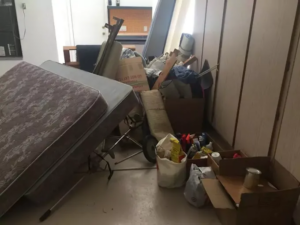
Garages, basements, and sheds often contain tools and leftover materials from previous home projects. Before removing everything, determine which supplies are still useful.
Basic tools can be valuable for handling everyday repairs and maintenance. You may also want to keep matching hardware, replacement components, or materials that are specifically useful for your home.
However, avoid storing excessive amounts of damaged or outdated supplies. Deteriorated paint, broken tools, unusable materials, and components you will never need can take up valuable space.
Organize useful repair items in one area and periodically review them. This makes it easier to keep necessary supplies without allowing your storage areas to become overcrowded.
Do a Final Review Before Removal
After sorting your belongings, create a separate area for anything that is going to be removed. This provides one final opportunity to catch something important before it leaves your property.
Check boxes, drawers, closets, garages, attics, and storage containers carefully. Look inside pockets, furniture compartments, file folders, and old bags. Small valuables such as keys, jewelry, photographs, documents, or cash can sometimes be hidden in unexpected places.
It can help to organize everything into five categories: keep, sell, donate, recycle, and remove. If multiple people share the home, ask them to review shared belongings before removal.
For items you cannot decide about, place them in a temporary box and give yourself a specific deadline. If you never use or think about them during that period, you may feel more confident about letting them go.
Use a Simple Keep-or-Remove Test
The final decision should focus on whether an item still has a genuine purpose in your life. Consider how often you use it, whether it has sentimental value, how expensive it would be to replace, and whether you have enough space to store it.
If you have not used something for a long time and cannot identify a realistic future purpose, it may be ready to go. However, seasonal, emergency, or specialized items may be exceptions.
Once you have completed your review, separate the belongings you want to keep from the items ready for disposal. A thoughtful approach makes the cleanup more organized and helps prevent unnecessary waste.
The goal of decluttering is not simply to get rid of as much as possible. It is to create a more useful and comfortable space by keeping what matters and removing what no longer does.
Conclusion
Before scheduling Junk Removal Morgan Hill, carefully review your belongings for important documents, sentimental keepsakes, valuable items, electronics containing personal information, family heirlooms, and useful household supplies. Sorting everything into keep, sell, donate, recycle, and removal categories can make the cleanup much easier.
A final inspection can also prevent valuable or meaningful possessions from being removed accidentally. Once you know exactly what you want gone, professional junk removal can save time and physical effort.
For homeowners and businesses in Morgan Hill, Dalux Junk Removal & Hauling can help clear unwanted furniture, household clutter, garage debris, and other junk. To discuss your junk removal needs, call 408-466-0288.


